
Extreme Weather and Emergency Preparedness
As a leader in environmentally-friendly products for home heating and outdoor activities, EnviroLog urges households to exercise emergency preparedness for extreme winter weather by following important safety tips that can help protect family members.
Unusually warm temperatures might cause some families to forget about being prepared for winter storms. It is important to make sure all family members know what to do in these situations and have access to emergency kits stored in homes and vehicles. Too often people don’t think about preparing until after the situation has occurred and they underestimate how long it will take for help to arrive.
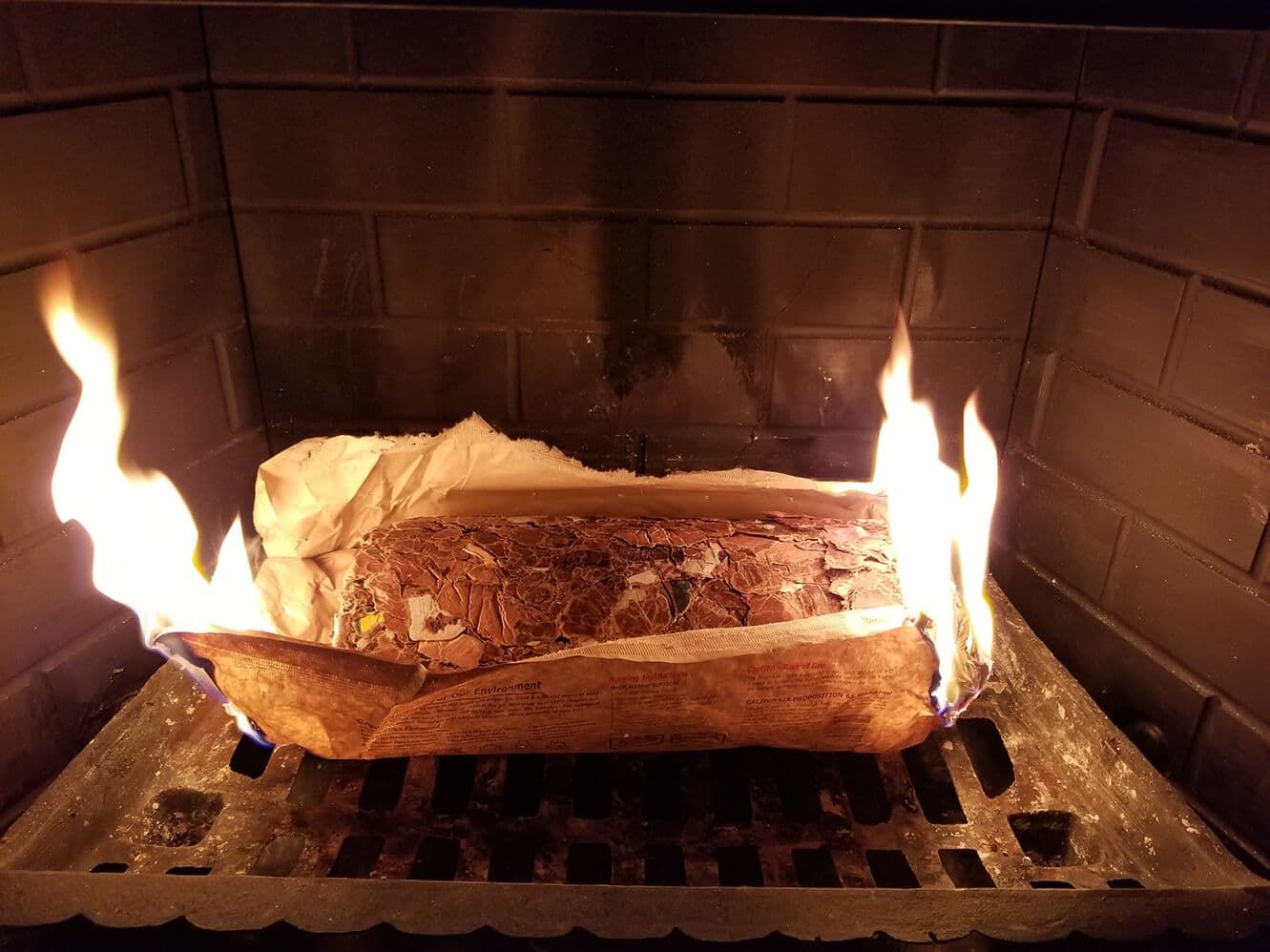
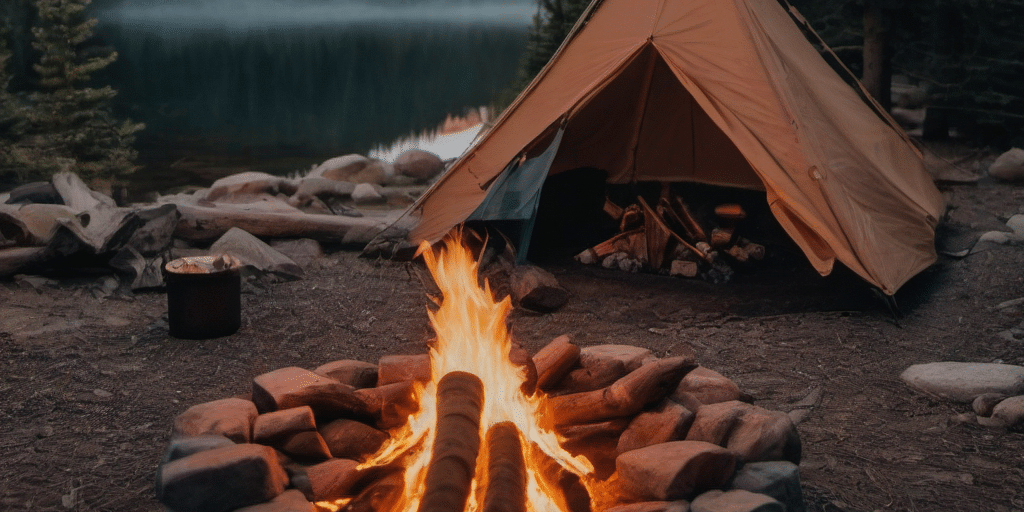
Prepare for extreme weather and emergencies by keeping manufactured firelogs on hand to build a fire for warmth.
Here some key essentials to ensure emergency preparedness for your family.
We recommend you prepare and store an emergency kit in your house with the following essentials:
· At least one gallon of water per person per day for at least 10 days, for drinking and sanitation
· 10 day minimum supply of non-perishable food and a manual can opener
· A battery-powered or hand-crank NOAA Weather Radio with tone alert, and extra batteries
· A flashlight and extra batteries
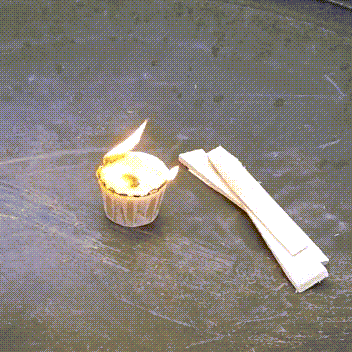
· A lighter, flint or waterproof matches and firestarters
· Candles
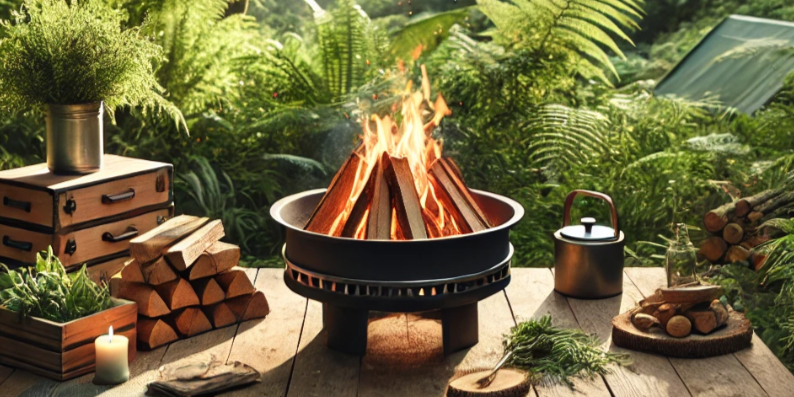
· Manufactured firelogs or firewood to be used for home heating and cooking (*only brands approved for cooking)
· A grill, outdoor firepit or chiminea for outdoor cooking if you do not have a fireplace
· A first-aid kit
· Moist towelettes, garbage bags and plastic ties for personal sanitation
· A laminated area map and compass
· A cell phone with an extra battery
· A hand-crank light with solar charger and cell phone charger adapter
· A land-line phone that operates without electrical power
· Any special-needs items for children, seniors or people with disabilities
· Water, food and supplies for your pets
· Supply of critical medicines and prescriptions
· Battery powered CO2 and smoke detectors, and extra batteries
· Extra blankets and sleeping bags
It’s also important to ensure your fireplace or wood stove inspected every year. Set a reminder to schedule an inspection during the milder months of the year.
It's also a good idea to carry a survival kit in your vehicle. Here are some recommended items:
· A first-aid kit
· Thermal blankets or sleeping bags
· A cell phone with an extra battery
· A hand-crank light with solar charger and cell phone charger adapter
· A windshield scraper with snow brush
· Flashlight with batteries
· Extra warm clothes including shoes, hats, gloves and hand warmers
· Survival knife
· Compact shovel
· Traction aids (bag of sand or cat litter) and tow chain
· Emergency flares
· Jumper cables
· Non-perishable food and bottled water
· A laminated road map
· A transportable non-restrictive heat source such as manufactured firelogs (firewood cannot be transported by law in some
· locations)
· A non-liquid firestarter and waterproof matches
· Manufactured firelogs and firestarters to build a fire for warmth and dry out nearby firewood for additional heat
· Any special-needs items for children, seniors or people with disabilities, who might be travelling with you
· Water and supplies for any pets travelling with you
Envirolog also encourages families to use extra caution and follow proper safety guidelines when operating portable generators. Envirolog recommends Occupational Safety and Health Administration (OSHA) guidelines on proper generator use, which can be found at: https://www.osha.gov/OshDoc/data_Hurricane_Facts/portable_generator_safety.pdf
For additional information on emergency preparedness for extreme weather, please visit:
- Centers for Disease Control and Prevention (CDC) Preparing for a Winter Storm.
- Federal Emergency Management Association (FEMA) – How to Protect Yourself from Winter Weather
- Red Cross - Emergency Preparedness Kits & Supplies
SHARE THIS POST